Dream Hacking AI Personalization iGaming: Frameworks and Applications
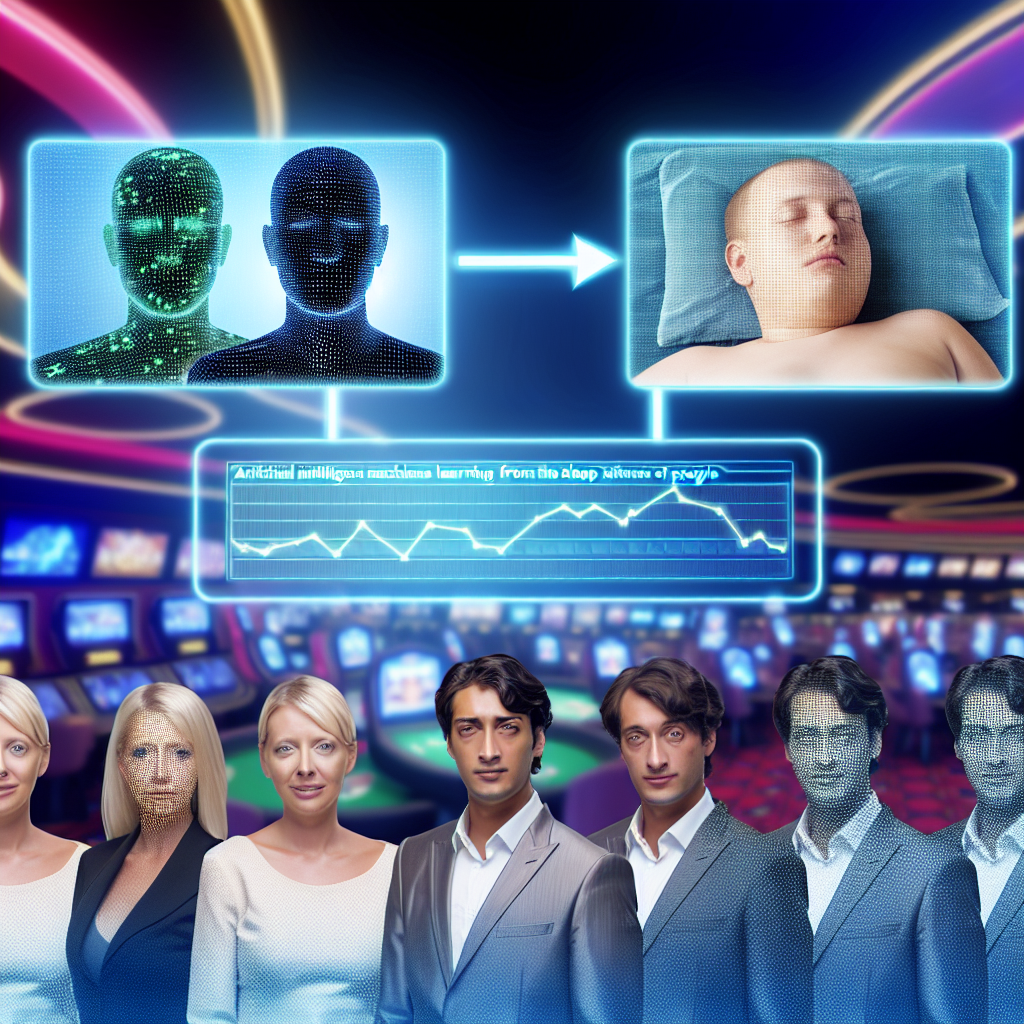
In a world where personalized experiences are paramount, the integration of dream hacking and AI personalization in iGaming surfaces as a pioneering frontier. This intersection offers a unique blend of technology and psychology, aiming to enhance player engagement by tapping into the subconscious mind. The methodology,
But what does this mean for the average player? In effect, AI systems could potentially access and interpret dream data, crafting gaming experiences that align with individual preferences and subconscious inclinations. This is not a legal opinion, but rather an exploration of possibilities that could redefine user interaction within virtual gaming landscapes.
Dream Hacking in Casinos – When AI Learns From Your Sleep: Outlook, Dynamics, and Inflection Points
The concept of dream hacking in casinos is poised at a dynamic inflection point, where cutting-edge technology meets the timeless allure of gaming. By contrast, traditional methods of player engagement rely heavily on observable behaviors; dream hacking delves deeper, offering a new layer of personalization. This shift sketches a future where AI learns from the most intimate aspects of human experience — our dreams.
As the industry explores this novel terrain, ethical considerations and privacy concerns loom large. How far should technology go in accessing our subconscious? This rhetorical question underscores the delicate balance between innovation and privacy, a balance that stakeholders must navigate to ensure responsible deployment.
Market Snapshot: Where Dream Hacking in Casinos – When AI Learns From Your Sleep is Heading
The market for dream hacking in casinos is still in its nascent stages, yet it promises a compelling trajectory. As more operators experiment with AI-driven personalization, the potential for enhanced user retention and satisfaction grows. This could lead to a paradigm shift in how casinos approach customer engagement, moving from broad strategies to ultra-personalized interactions.
Meanwhile, the global iGaming sector remains attentive to these developments, recognizing both the opportunities and challenges presented by dream hacking technologies. As the technology matures, it will likely define new industry standards and best practices, setting the stage for a future where dreams and gaming coalesce seamlessly.
What is dream hacking in casinos?
Dream hacking in casinos refers to using AI to analyze and potentially influence a player’s dreams to enhance their gaming experience.
How can AI learn from my sleep?
AI can analyze data from sleep patterns and brain activity to understand a person’s preferences and behavioral tendencies.
Is dream hacking legal in casinos?
The legality of dream hacking in casinos depends on regional laws and regulations governing privacy and data usage.
Can dream hacking make me a better gambler?
While AI can offer insights into your preferences, it cannot guarantee improved gambling skills, as those depend on strategy and chance.
What data does AI use for dream hacking?
AI primarily uses data from sleep patterns, brainwave activity, and possibly other biometric data to analyze dreams.
Could dream hacking impact my privacy?
Yes, dream hacking involves collecting and analyzing personal data, which may raise privacy concerns depending on how the data is handled and protected.
Prepared by the editorial staff at CasinoVVV.com, committed to providing professional gaming analysis and global casino news for our readers.
Read also: When AI Starts Saying No: The Rise Of Ethical Algorithms In Gambling • When the Vacation Starts at the Casino: Inside the $130 Billion Travel Revolution